
Excerpt: Many companies know they need to digitalize. Yet digital transformation initiatives often fail for the same reasons: disconnected systems, Excel-based workarounds, and unclear data ownership. The real challenge is not choosing the right ERP system, but creating clean data structures, integrated processes, and a reliable single source of truth.
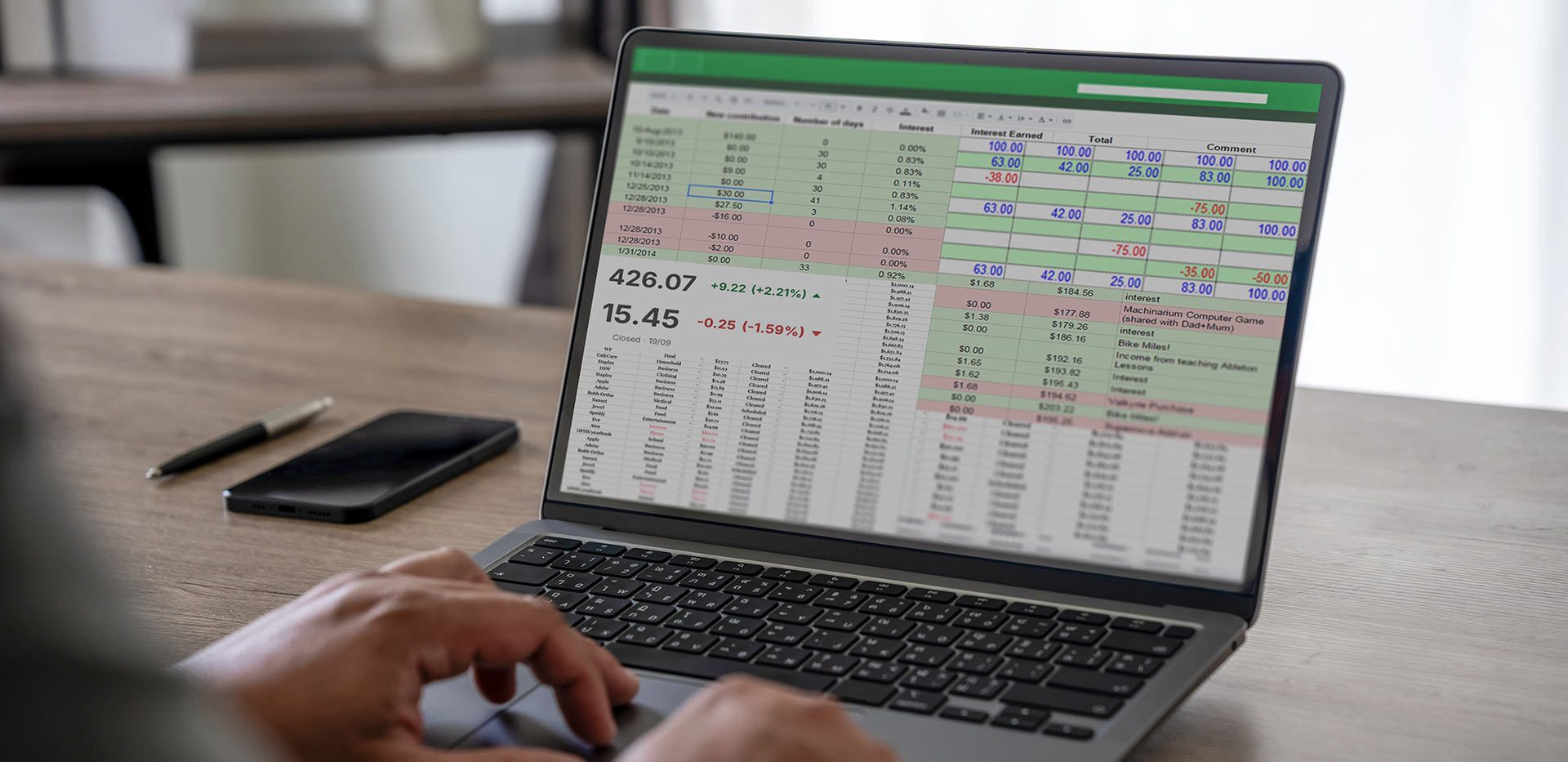
The “Holy Grail” in Excel
Almost every company has one. That Excel spreadsheet that gradually becomes indispensable to running the business. The place where information comes together because the core system—whether it’s an older Navision installation, a grown Dynamics NAV environment, or a more modern Business Central setup—does not provide the data in the required form or with the necessary completeness.
From a technical perspective, this is always an interesting situation. When an Excel file becomes the primary source of business data, it is rarely a coincidence. More often, it is a clear indication that important information is missing, inconsistent, or not available where people need it in their day-to-day work.
If you are reading this and thinking, “That sounds exactly like us,” you are certainly not alone.
When Systems No Longer Show the Full Picture
In many cases, these Excel-based processes are not the result of poor planning but of business reality. Systems are introduced, processes are defined, and over time new requirements emerge. Companies solve them pragmatically—an additional export here, a manual workaround there. Especially in long-established Navision and Dynamics NAV environments, we see this regularly. Over the years, extensions, workarounds, and additional data structures accumulate.
From a technical perspective, this creates a second layer of data outside the ERP system itself. The issue is rarely the individual workaround—it is the sum of them. Once data starts being managed outside the system, the ERP platform—whether NAV or Business Central—loses its role as the single source of truth.
Disconnected Processes as a Structural Problem
This is where process breaks inevitably emerge. A workflow starts in the ERP system but is not completed there. Data is exported, transformed, and processed elsewhere. In many cases, it is later re-entered into the system. Especially in Business Central environments, we often see integrations that exist technically but are not used consistently within the actual process.
From a systems perspective, this is a classic disconnect between process and platform.
It may work in the short term. Over time, however, it leads to inconsistencies, increased maintenance effort, and a growing risk of errors.
When Data Is No Longer in Sync
Another issue we frequently encounter is data availability. Especially in food wholesale, access to current and reliable data is essential. Inventory levels, product availability, delivery times, and pricing information need to be accurate and up to date. In fragmented system landscapes, however, this is often difficult to achieve—even when Business Central is intended to serve as the central platform.
Data is spread across different systems, synchronized with delays, or maintained manually. As a result, there is no longer a single version of the truth. Instead, multiple versions of the same data exist in parallel. For reporting and business management, this creates significant challenges.
Manual Processes as Technical Debt
From a technical perspective, manual processes are often nothing more than technical debt. They emerge when systems cannot fully support business processes. Employees then bridge the gaps themselves. This works—as long as complexity remains manageable. Once transaction volumes and requirements increase, these workarounds quickly become bottlenecks. This is exactly where it becomes clear that implementing a system like Business Central is only part of the solution. It must also be used consistently as the leading system across the business.
A Real-World Example Many Companies Will Recognize
In a recent project, we worked with a company in the online food retail sector. Its system landscape had evolved over many years: an online shop, an integration platform, a legacy ERP system, a CRM solution, a customer care platform, and a separate warehouse management system. Many of these structures originated in the Navision and Dynamics NAV era and had been continuously expanded over time. From a technical perspective, this setup is far from unusual.
The challenge lies in how these systems interact. Data is transferred between platforms, transformed along the way, and maintained in multiple places. Excel is often used as an additional layer to close gaps and keep processes manageable. The consequences become especially visible in reporting. The data exists, but it is not structured consistently. Depending on the source, different reports can produce different results.
“We’ll Just Move from Left to Right”
In situations like this, the next step often seems obvious: introducing a new system—usually Business Central. And that is when we frequently hear a familiar statement: “We’ll simply move from Navision or NAV to Business Central. It’s essentially the same system, just more modern.”
From a technical perspective, this is a critical moment. While the systems are related, replacing one with the other does not automatically improve the underlying situation. If existing processes, data structures, and workarounds are carried over unchanged, an old NAV system quickly becomes a new Business Central system—with the same challenges as before.
When Problems Are Simply Moved Elsewhere
This is exactly where we see a recurring risk. An existing system is replaced without fundamentally changing the processes behind it. As a result, the existing complexity is simply transferred into the new environment. The Excel spreadsheet may disappear—but only to reappear somewhere else.
What Modern Technology Can Actually Deliver
At the same time, it would be too simplistic to view digital transformation purely as a matter of processes and organization. Technology has advanced significantly in recent years, and many of the challenges described above can now be addressed far more effectively than before. Especially in Business Central environments, we see opportunities today that simply did not exist a few years ago.
One of the key success factors is a clear system architecture and well-designed integrations. Instead of maintaining data multiple times or moving it through exports and spreadsheets, systems can now be connected through APIs and integration platforms that synchronize information in real time. An order from the online shop can be processed directly in the ERP system, while warehouse and logistics operations work from the same data without delay. Just as important is a clear definition of data ownership—determining which system is responsible for which data and where information is created and maintained.
Another important building block is a centralized data foundation for reporting. Instead of combining reports from multiple systems, data is consolidated and structured in a single platform. This creates a consistent view of key metrics and provides a reliable basis for decision-making. Combined with modern business intelligence solutions, reporting becomes a true management tool rather than a retrospective exercise.
Artificial intelligence is also creating highly practical use cases. AI can help classify data automatically, process documents, validate entries, and improve forecasting. Significant efficiencies can also be achieved in data analysis by reducing manual effort. Another key area is automation within the ERP system itself. Business Central provides extensive capabilities for workflows, approvals, and process automation. When used consistently, these capabilities can significantly reduce the need for manual intervention.
One point remains critical: these technologies only deliver real value when the underlying data is structured properly and processes are clearly defined. Or, put more simply, modern technology does not improve poor data quality—it only processes it faster.
Digital Transformation Requires Technology and Discipline
In our experience, successful digital transformation is always a combination of sound system architecture and organizational discipline. It is not just about introducing or modernizing a system such as Business Central or upgrading a NAV environment. It is equally important to define processes clearly and apply them consistently. This also means questioning existing workarounds and consciously moving away from solutions that may work today but are no longer structurally sustainable. This is exactly the part that is often underestimated.
Final thoughts
From a technical perspective, the starting point is often not which system is the right one. The real question is whether the underlying data and process logic are clearly defined and properly structured. As long as key business information is managed outside the system, every new platform—whether NAV, Business Central, or another ERP solution—will eventually run into the same challenges. Or to put it another way: as long as the Excel spreadsheet remains the “holy grail,” the real problem has not yet been solved.